-
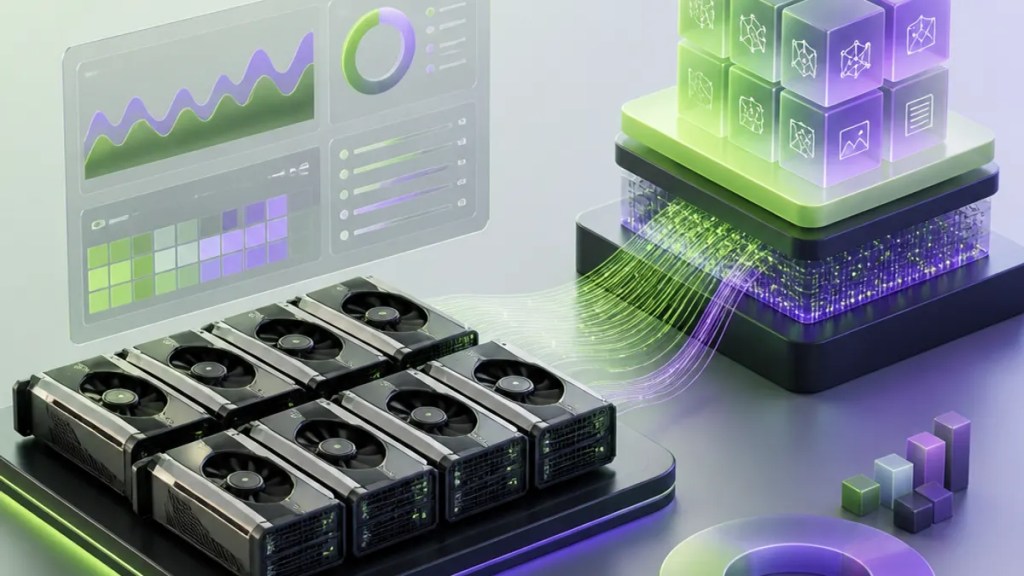
NVIDIA Run:ai and NIM: GPU Utilization Explained
Learn how NVIDIA Run:ai and NIM help teams use GPUs more efficiently, cut costs, and speed up AI apps.
-
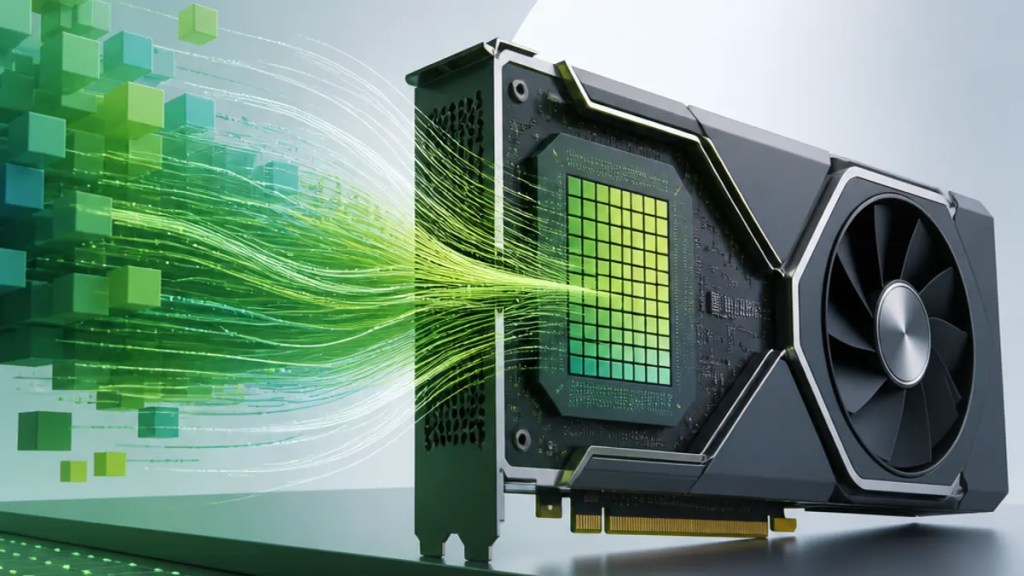
NVIDIA cuda.compute on GPU MODE: What It Means
NVIDIA cuda.compute topped the GPU MODE kernel leaderboard. Here’s what it means for GPU performance, AI work, and everyday users.
-
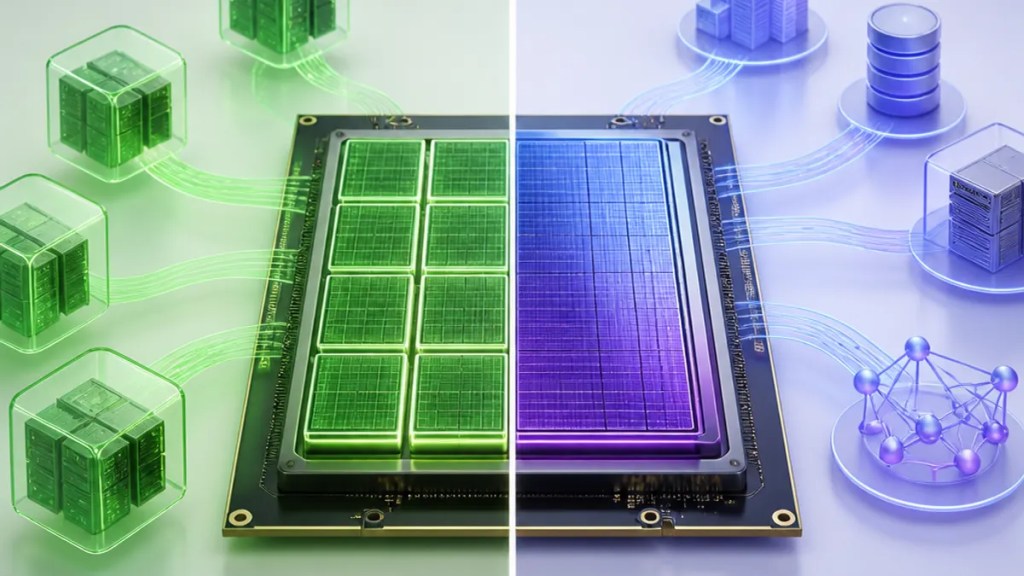
NVIDIA MIG vs Locality Domains: Which to Choose
Learn when to use NVIDIA Multi-Instance GPU vs locality domains for faster data processing, lower costs, and better performance.
-

NVIDIA In-Vehicle AI Agents: Cloud to Car Guide
Learn how NVIDIA builds in-vehicle AI agents, key features, and what tech readers should know about the cloud-to-car release.
-
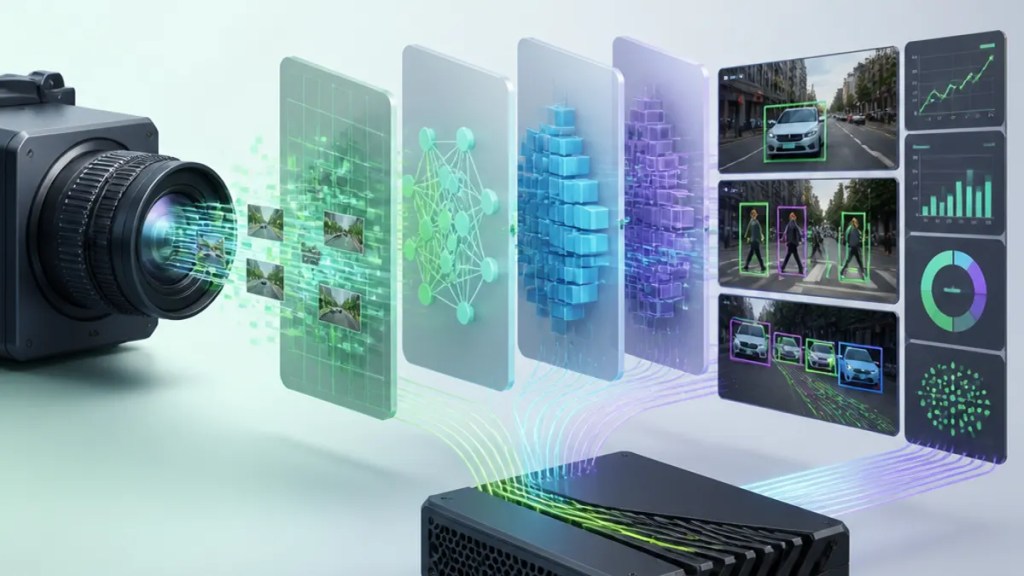
Building Vision AI Pipelines with DeepStream
Learn how NVIDIA DeepStream coding agents help build Vision AI pipelines faster, with key features, workflows, and best practices.
-

Deep Agents for Enterprise Search with NVIDIA AI-Q
Learn how NVIDIA AI-Q and LangChain help build deep agents for enterprise search, plus what tech teams should know before adopting them.
-

Accelerating Protein Structure Prediction at Scale
What proteome-scale protein structure prediction means, why it matters, and how users can evaluate the impact on research workflows.
-

GitHub for Beginners: OSS Contributions Guide
Learn how beginners can start contributing to open source on GitHub, from finding issues to making pull requests.
-

License-Compliant Synthetic Data Pipelines for AI
Learn how to build license-compliant synthetic data pipelines for AI model distillation and choose the right tools, data sources, and safeguards.
-

Gemini API Flex vs Priority: Cost and Reliability
Learn how Gemini API Flex and Priority tiers balance cost, latency, and reliability so developers can choose the right option.
-
Subscribe
Subscribed
Already have a WordPress.com account? Log in now.
 techpost