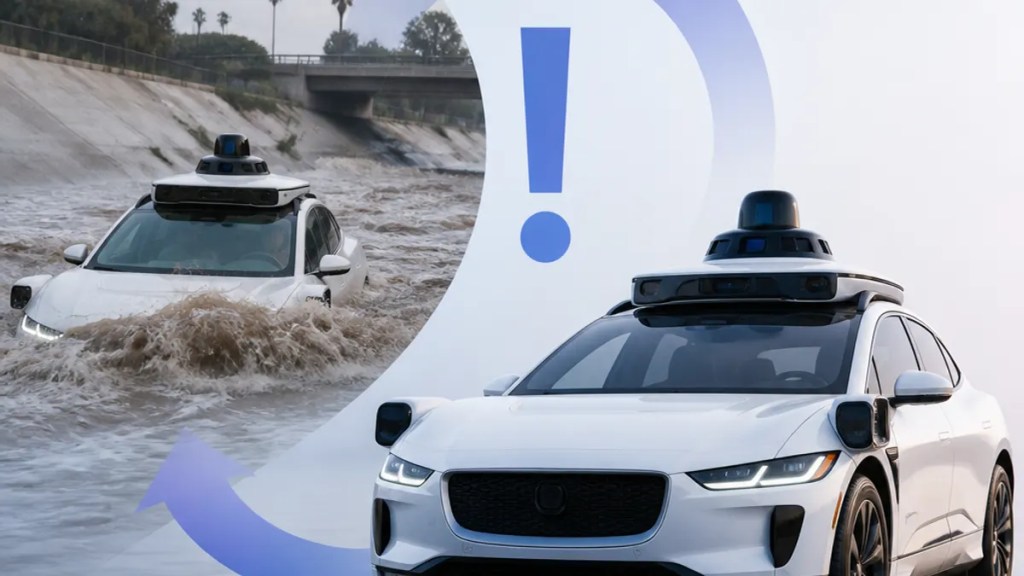
Waymo recalls thousands after flood creek incident
Waymo is recalling thousands of robotaxis after one of its vehicles reportedly drove into a creek during flooding in Texas. If you use ride-hailing services—or you’re simply watching how self-driving cars handle real-world chaos—this is the kind of update worth a few minutes of your time.
The big takeaway is simple: this Waymo recall is not just about one strange trip. It raises a very practical question about robotaxi safety—what happens when an autonomous car, meaning a vehicle that drives itself using software and sensors, meets conditions that are messy, fast-changing, and hard to read?
Quick Summary
- Waymo is recalling thousands of robotaxis after a flood-related incident in Texas, according to BBC News.
- The recall follows a case in which a Waymo vehicle reportedly entered a creek during flooding.
- For riders, this appears to be a software and safety issue rather than a typical mechanical defect.
- The incident puts fresh attention on self-driving taxi safety, especially in unusual weather and road conditions.
What happened in the Waymo flood incident
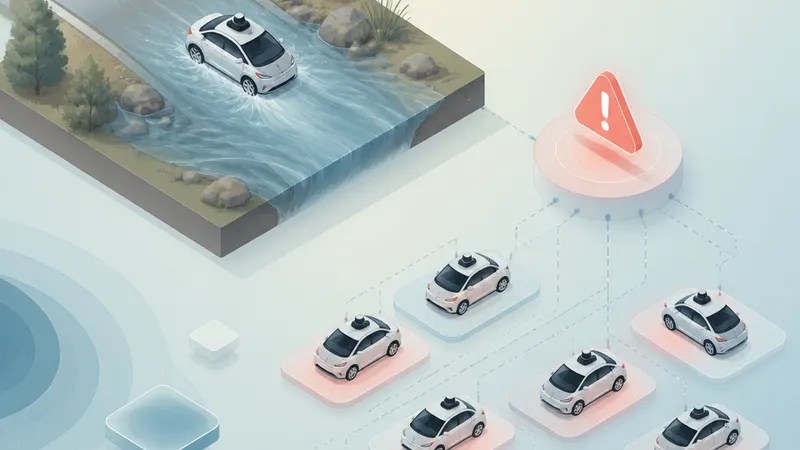
According to the BBC’s reporting, Waymo is recalling thousands of robotaxis after a Texas flood incident in which one of its vehicles reportedly swept into a creek.
That detail matters because floodwater is one of the hardest situations for any driver—human or software—to judge. Roads can disappear under water. Curbs and lane markings may be hidden. What looks like a drivable street can turn into a dangerous path very quickly.
In this case, the Waymo Texas flood incident appears to have exposed a gap in how the company’s system handled those conditions. BBC reports that the recall affects thousands of vehicles, which suggests Waymo sees this as a broader software issue rather than an isolated fluke.
Why this Waymo recall matters beyond one car
A lot of autonomous vehicle stories get framed as futuristic. This one is more grounded than that.
If you’re a rider, you want to know whether a robotaxi can safely handle the weird stuff: flooded streets, blocked lanes, confusing detours, and conditions that don’t match the map. That’s where self-driving taxi safety becomes less about novelty and more about trust.
An autonomous vehicle recall also works a little differently from the recalls many people are used to. In a traditional car recall, the problem may involve a physical part like brakes or airbags. In a robotaxi fleet, the issue may be tied to software—how the vehicle interprets the world and decides what to do next.
That doesn’t make it minor. If anything, it shows how central software has become to vehicle safety.
What users should know right now
For everyday riders, the immediate point is not that every Waymo ride is unsafe. The reporting available here does not support that claim.
What it does support is that Waymo identified a problem serious enough to trigger a large-scale recall after the flood incident, as reported by the BBC. If you’re using or considering using a robotaxi service, that should tell you two things at once:
First, edge cases matter. “Edge case” is industry language for rare but important situations that fall outside normal driving patterns. Flood conditions clearly fit that description.
Second, safety updates are part of how autonomous systems improve. A recall in this context may mean the company is correcting how vehicles respond to a specific hazard before the same problem happens again.
So if you’re a rider, this is less about panic and more about watching how transparent and responsive the company is when something goes wrong.
The bigger robotaxi safety question
The Waymo flood incident lands at a time when public confidence in autonomous vehicles still depends on one basic test: can they handle the real world, not just ideal conditions?
Cities are unpredictable. Weather changes fast. Emergency situations don’t arrive neatly labeled.
That’s why this Waymo recall will likely be watched closely beyond Texas. It touches a core challenge for the whole industry: teaching self-driving systems to recognize when the environment has become too uncertain or too dangerous to proceed.
For many readers, that may be the most important part of the story. A robotaxi does not need to be perfect to be useful. But when the road becomes ambiguous, you want the system to fail safely.
What to watch next
Based on the BBC report, the recall itself is the clearest signal that Waymo is treating the issue seriously.
What remains less clear from the currently available sourcing is exactly how the software update works, how regulators may respond, and whether Waymo will share more technical detail about the decision-making that led the vehicle into floodwater. Those answers may come later.
For now, the safest conclusion is a measured one: this was a real-world warning about the limits of autonomous driving in extreme conditions, and Waymo appears to be responding at fleet scale.
That is reassuring in one sense. It is also a reminder that robotaxi safety is still being tested by the kinds of situations humans also struggle with—just with much less public patience when software gets it wrong.
FAQs
Was anyone hurt in the Waymo Texas flood incident?
The provided source from the BBC reports the recall after a vehicle reportedly went into a creek during flooding, but the sourcing here does not confirm additional details beyond that incident and the recall.
Does this mean Waymo robotaxis are unsafe to ride?
The available reporting does not say that all Waymo rides are unsafe. It does show that Waymo issued a large recall after a serious flood-related event, which is relevant for anyone following self-driving taxi safety.
What is an autonomous vehicle recall if the problem is software?
An autonomous vehicle recall can involve software behavior, not just broken hardware. In plain terms, that means the company may need to change how the vehicle detects hazards or makes driving decisions.
Sources
Internal link suggestions
- Explainer: how robotaxi safety recalls work
- Guide: what riders should know about autonomous vehicle safety features
- Analysis: how self-driving cars handle bad weather and flooded roads

