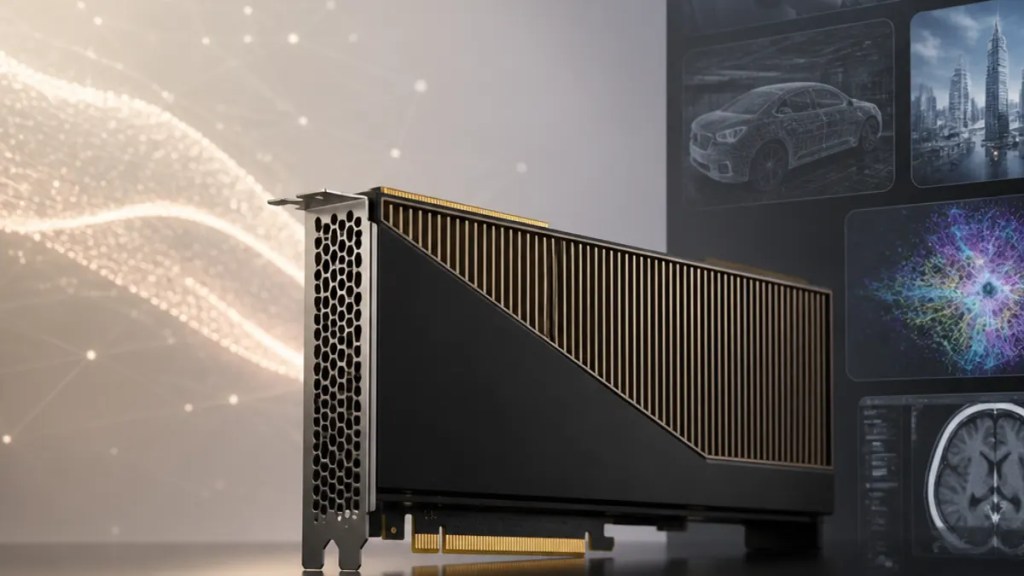
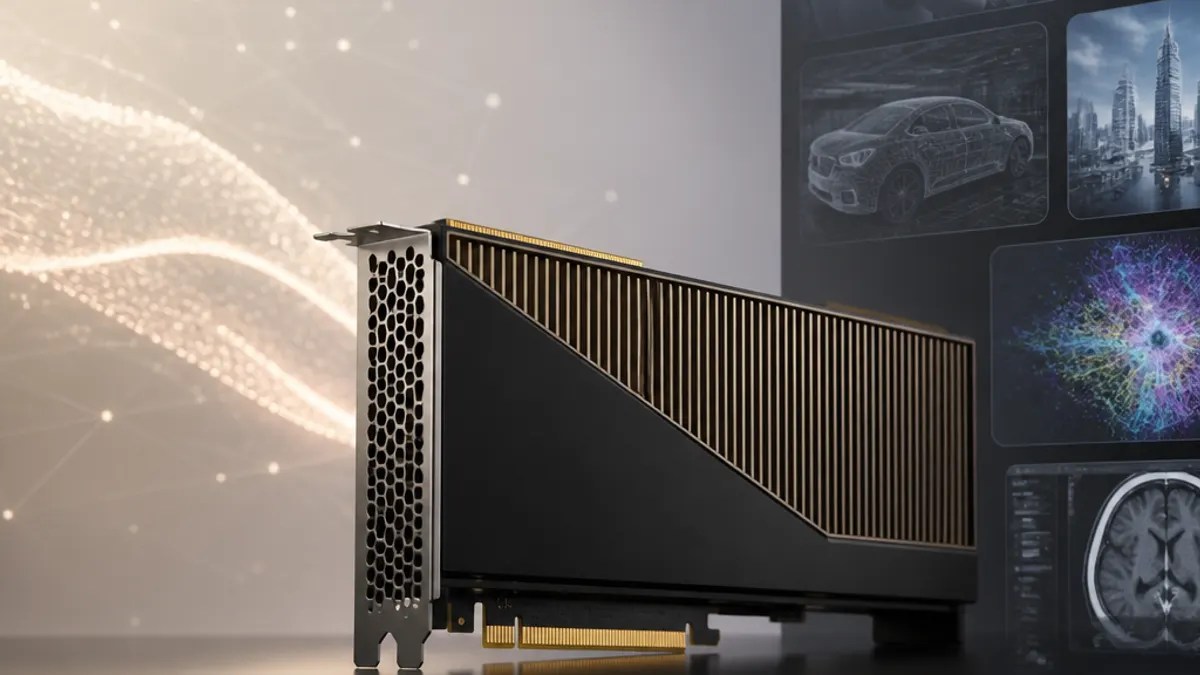
NVIDIA RTX PRO 4500 Blackwell Server Edition Impact
As enterprises push toward an AI-ready data center, GPU choice is becoming less about a single accelerator and more about how hardware, virtualization, and deployment models fit together. NVIDIA’s latest technical blog frames the NVIDIA RTX PRO 4500 Blackwell Server Edition alongside NVIDIA vGPU 20 as part of that broader shift.
For IT teams, the key question is not just what this Blackwell server GPU is, but what it may change for GPU virtualization, multi-user access, and data center scaling.
Quick Summary
- NVIDIA is positioning the NVIDIA RTX PRO 4500 Blackwell Server Edition for AI-ready data center use cases.
- The company pairs that message with NVIDIA vGPU 20, highlighting virtualization as part of the deployment story.
- For enterprises, the main impact appears to be around flexible GPU sharing, centralized management, and support for mixed workloads in enterprise AI infrastructure.
- The strongest confirmed source here is NVIDIA’s own technical blog, so buyers should treat broader performance or cost assumptions cautiously unless validated elsewhere.
What NVIDIA is emphasizing
According to NVIDIA’s technical blog, the discussion centers on “scaling the AI-ready data center” with the RTX PRO 4500 Blackwell Server Edition and vGPU 20. Even from the title alone, the focus is clear: this is not being framed as a standalone workstation part, but as a server-oriented GPU tied to virtualized deployment.
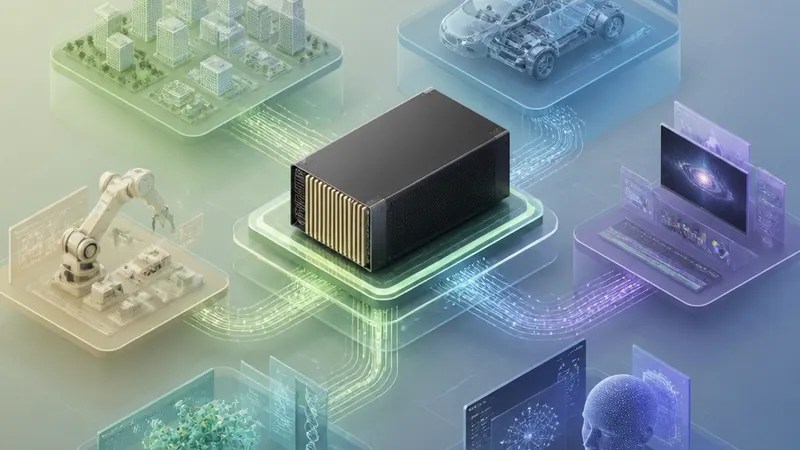
That matters because many organizations are now trying to support more than one workload type from the same infrastructure. AI development, inference, visualization, and virtual desktop-style use cases often compete for the same GPU resources. A Blackwell server GPU paired with virtual GPU software suggests NVIDIA is targeting that shared-resource model.
External source: NVIDIA Technical Blog
Why NVIDIA vGPU 20 matters in this context
The mention of NVIDIA vGPU 20 is important because virtualization can change how a GPU is consumed inside the data center.
Instead of assigning one physical GPU to one task or one user, GPU virtualization may allow organizations to divide access more efficiently. For enterprises building an AI-ready data center, that can support denser deployment models and potentially improve utilization across teams.
In practical terms, vGPU software is usually most relevant when companies want to:
- Serve multiple users from centralized GPU infrastructure
- Separate workloads by policy or environment
- Scale access without distributing high-end hardware to every endpoint
- Support a mix of AI, graphics, and compute needs
The source material provided does not confirm detailed benchmarks, partition sizes, or licensing changes, so those specifics should not be assumed here. But the pairing of the GPU and vGPU 20 indicates that NVIDIA sees virtualization as part of the value proposition, not an afterthought.
What this could mean for AI-ready data center planning
For infrastructure teams, the impact analysis comes down to deployment flexibility.
An AI-ready data center increasingly needs to support experimentation, production services, and user-facing workloads at the same time. A server GPU combined with vGPU software may help organizations avoid building separate silos for each one.
That does not automatically mean every environment should adopt it. Buyers still need to evaluate:
Workload mix
If your environment is heavily focused on dedicated training clusters, a virtualized setup may not be the first priority. But if your organization supports many teams with varied GPU needs, virtualization may be more attractive.
Resource utilization
A common challenge in enterprise AI infrastructure is underused GPU capacity. Shared access models may help reduce idle time, especially where users need burst access rather than full-time dedicated hardware.
Operational complexity
Virtualization can improve flexibility, but it also adds software and policy layers. Teams should weigh the management benefits against deployment complexity, compatibility requirements, and operational overhead.
The likely enterprise use case
Based on NVIDIA’s framing, the NVIDIA RTX PRO 4500 Blackwell Server Edition appears aimed at organizations that want to scale GPU-backed services in a controlled, centralized way.
That can be relevant for:
- AI development environments
- Virtualized workstations
- Mixed graphics and compute deployments
- Shared infrastructure for distributed teams
This is where data center scaling becomes more than adding hardware. It becomes a question of how efficiently one GPU pool can serve many users and applications.
What users should know before drawing conclusions
There are two important caveats.
First, the source set here is limited. The only substantive source provided is NVIDIA’s own blog post, while the remaining links are generic Google News entries without usable reporting details. That means this article can confirm NVIDIA’s positioning, but not independent benchmark outcomes or customer adoption data.
Second, “impact” should be interpreted carefully. The existence of a new GPU and a new vGPU release does not by itself prove better ROI, easier deployment, or superior performance in every environment. Those outcomes depend on workload design, software support, and infrastructure goals.
So the most grounded takeaway is this: NVIDIA is presenting the RTX PRO 4500 Blackwell Server Edition and vGPU 20 as a combined path for scaling virtualized, AI-capable data center resources.
Bottom line
The NVIDIA RTX PRO 4500 Blackwell Server Edition is being positioned as part of a broader AI-ready data center strategy, especially when paired with NVIDIA vGPU 20. For enterprises, the real significance may lie in how this combination supports centralized GPU access, multi-user environments, and more flexible infrastructure planning.
If your organization is evaluating GPU virtualization as part of enterprise AI infrastructure, this launch is worth watching. But until more independent testing and deployment data emerge, the clearest conclusion is about direction: NVIDIA is tying Blackwell-based server GPUs more closely to virtualized, scalable data center operations.
FAQs
What is the NVIDIA RTX PRO 4500 Blackwell Server Edition?
Based on NVIDIA’s technical blog, it is a server-focused GPU in the Blackwell generation that is being positioned for scaling AI-ready data center environments.
Why is NVIDIA vGPU 20 relevant?
NVIDIA vGPU 20 matters because it points to virtualized GPU deployment, which may help organizations share GPU resources across users, teams, or workload types in the data center.
Who should pay attention to this launch?
IT leaders, infrastructure architects, and teams building an AI-ready data center or evaluating data center scaling strategies with centralized GPU resources should pay attention.
Sources
Internal link suggestions
- A guide to choosing GPU virtualization for enterprise workloads
- What an AI-ready data center actually requires
- Blackwell architecture overview for IT buyers
- How to evaluate enterprise AI infrastructure for mixed workloads

