NVIDIA Omniverse Libraries: What It Means
If more apps start understanding how things move, collide, or behave in the real world, that could affect everyday technology in practical ways. It may help companies test robots more safely, build better training tools, or create software that can model real spaces before anything is deployed.
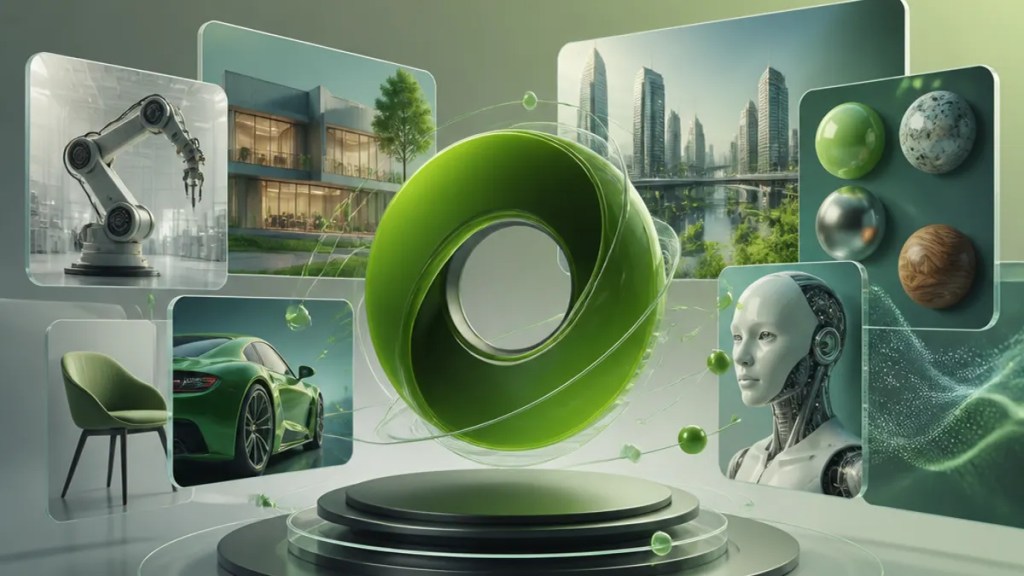
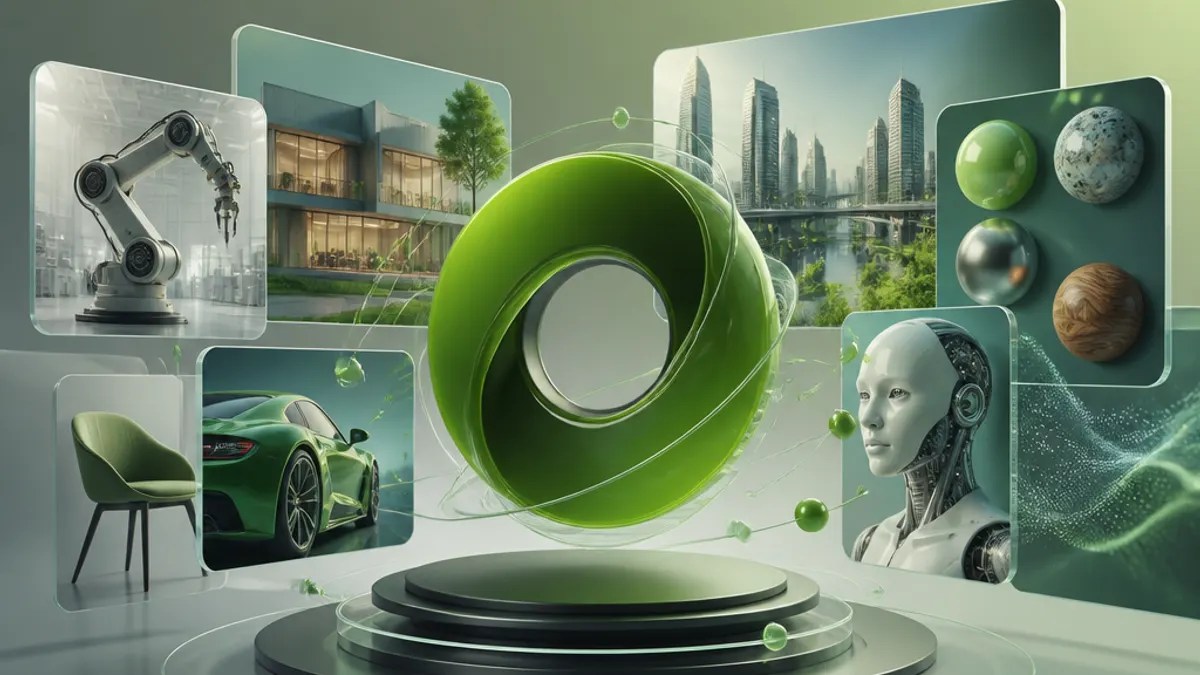
That is the basic idea behind NVIDIA Omniverse Libraries. According to NVIDIA’s technical blog, these libraries are meant to let developers add physical AI features into existing apps instead of rebuilding everything from scratch. In simple terms, physical AI means AI systems that can reason about real-world environments, objects, and movement—not just text, images, or spreadsheets.
For regular users, that matters because the apps used in factories, warehouses, design studios, and simulation tools may become better at predicting what happens in physical spaces.
Quick Summary
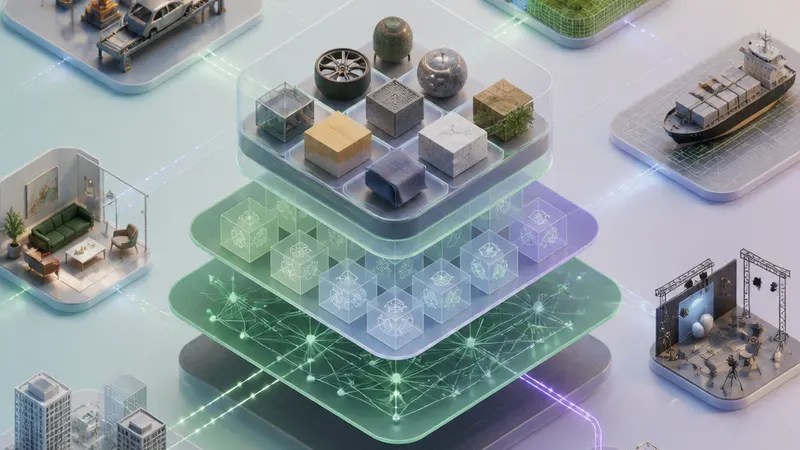
NVIDIA Omniverse Libraries are software building blocks for adding real-world simulation features to apps.
They are designed to help developers bring AI simulation, digital twins—virtual versions of real places or systems—and robotics AI into tools they already use.
For users, this may mean safer testing, more realistic training, and smarter software for industries where physical movement matters.
What NVIDIA Omniverse Libraries are
Based on NVIDIA’s post, the company is positioning these libraries as modular components tied to NVIDIA Omniverse, its platform for simulation and 3D workflows.
The key message is integration. Rather than asking developers to move entirely into a new application, NVIDIA says these libraries can bring Omniverse capabilities into software that already exists.
That matters because many businesses already rely on established apps for operations, design, or workflow management. If those apps can gain simulation and physical-world reasoning features, teams may be able to do more without changing their whole software stack.
Source: NVIDIA Technical Blog
What “physical AI” means in plain English
A lot of AI today works mainly with digital information, like answering questions or sorting data.
Physical AI is different. It focuses on how AI interacts with environments, machines, and objects in ways that reflect real-world physics. That includes movement, spatial awareness, and behavior in simulated settings.
In practice, that can connect to:
- Robots learning or testing tasks in virtual environments
- Software modeling factories, warehouses, or equipment
- Apps using digital twins to mirror real operations
- Simulations that help teams test before trying something in the real world
NVIDIA’s framing suggests these libraries are aimed at exactly those kinds of use cases.
Why this matters to users, not just developers
Most people will never directly install NVIDIA Omniverse Libraries. But they may still feel the effects through the apps and services built with them.
Safer testing
If a company can test robot behavior or workplace layouts in simulation first, that may reduce mistakes before equipment is used in real spaces.
Better planning
A digital twin can help teams model how a facility or workflow behaves before making physical changes. That may save time and help spot issues earlier.
More realistic training
Simulation-based tools can create environments that are closer to real conditions. For workers, that may mean better training without needing to interrupt live operations.
Smarter industrial apps
Apps used in logistics, manufacturing, and robotics may become more aware of physical constraints, such as space, movement, and object interaction.
Why NVIDIA is emphasizing libraries
The word “libraries” is important here. In software, a library is a reusable set of code developers can plug into their own applications.
That approach usually appeals to companies that want new features without replacing existing systems. NVIDIA’s blog indicates that the goal is to make Omniverse capabilities easier to embed directly into other software.
For businesses, that could lower the barrier to adopting AI in apps that need simulation or 3D world modeling.
For developers, it may mean access to Omniverse-related functions in a more flexible form.
Where this fits in robotics and digital twins
The strongest use cases mentioned around Omniverse generally involve simulation, industrial workflows, and robotics.
That makes robotics AI a natural fit. Robots often need large amounts of testing data, and running those tests in the real world can be expensive or risky. Simulation can help fill that gap.
The same goes for digital twins. A digital twin is a virtual model of a real object, space, or system. If an app can connect to that kind of model, teams may be able to analyze operations, test changes, and monitor outcomes more effectively.
NVIDIA’s post suggests these are the kinds of capabilities developers may be able to integrate into current software through the new library approach.
What users should watch for next
The biggest question is not whether the libraries exist, but how quickly software vendors adopt them.
Users should watch for apps that begin to offer:
- More built-in simulation tools
- Better 3D environment modeling
- Robot testing features
- Digital twin support
- Physical-world scenario planning inside existing workflows
If that happens, the change may feel gradual. Instead of one big new product, people may see familiar software become more capable over time.
Bottom line
NVIDIA Omniverse Libraries appear to be NVIDIA’s way of making NVIDIA Omniverse features easier to add to existing software.
For non-specialists, the takeaway is simple: apps may get better at understanding and simulating the real world. That could improve safety, planning, and automation in industries where physical environments matter.
For developers and tech-savvy readers, the more notable shift is architectural. NVIDIA is not only promoting a platform, but also a set of building blocks that can be embedded into other tools.
FAQs
Do I need to use NVIDIA Omniverse Libraries myself?
Probably not. Most people would encounter them indirectly through software built by developers, not as something they install personally.
What is the simplest way to think about physical AI?
It is AI designed to work with real-world behavior, like movement, space, and objects, often through simulation.
Are NVIDIA Omniverse Libraries mainly for robots?
Robotics appears to be an important use case, but the source also points toward broader simulation and digital twin applications in existing apps.
Sources
Internal link suggestions
- Explainer on what digital twins are and where they are used
- Beginner guide to AI simulation in business software
- Overview of how robotics AI is trained in virtual environments

