Meta description: Microsoft’s $1 billion Kenya AI data center is stalled over power capacity, exposing infrastructure limits that could affect jobs and digital growth.
Microsoft’s Kenya AI Data Center Hits a Power Wall
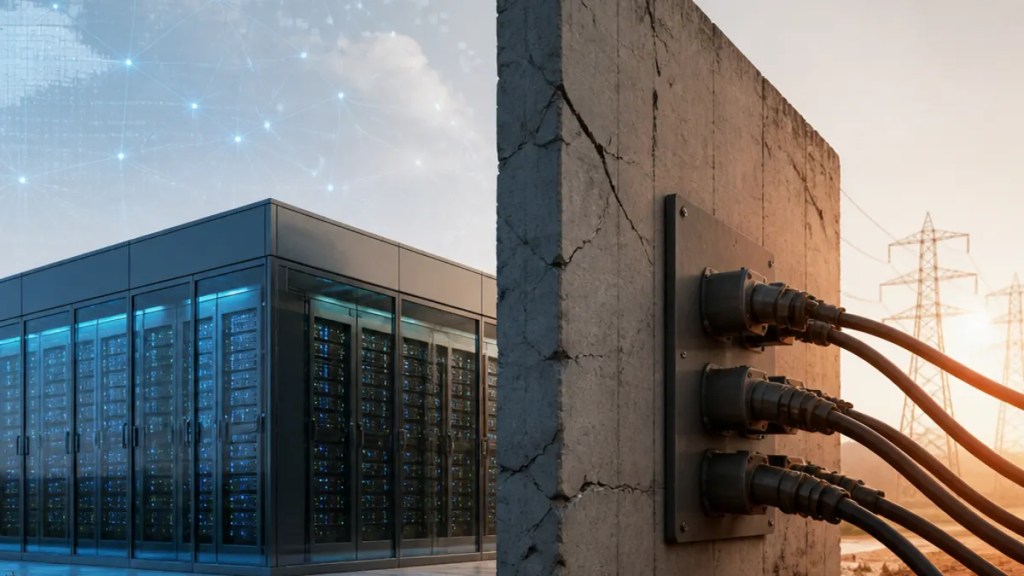
Microsoft’s Kenya AI data center was supposed to signal something bigger than just another server farm: a sign that major AI infrastructure could be built closer to African users and businesses. Instead, the project is reportedly stalled, and the reason is blunt enough to cut through the usual tech-industry fog — power.
If you only have three minutes for this story, here’s why it matters: this is not just about one company’s building plans. It’s a real-world reminder that AI data center infrastructure depends on electricity, grid planning, and local capacity just as much as chips and software.
Quick Summary
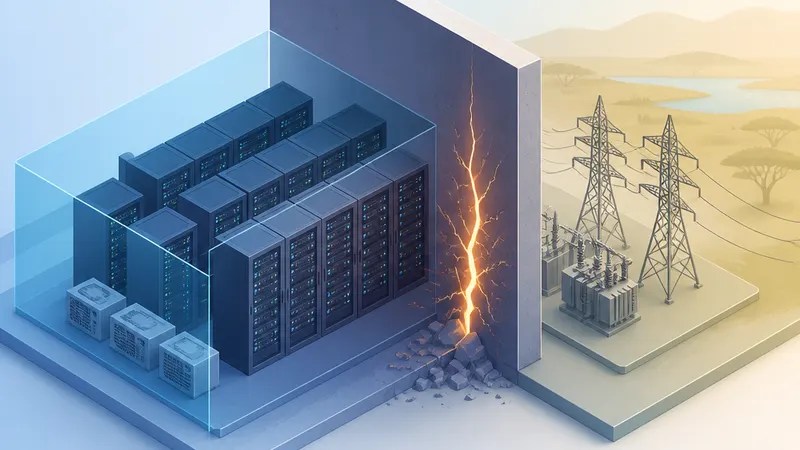
Microsoft’s reported $1 billion data center project in Kenya has stalled over disagreements about power capacity, according to Tom’s Hardware. Kenyan officials reportedly said the facility’s energy needs were so large that meeting them could mean diverting power on an enormous scale.
In plain terms: the demand from a large AI-focused data center may be too big for current infrastructure to handle comfortably. That raises bigger questions about Kenya data center power capacity, the Kenya electricity grid, and how quickly countries can build the physical backbone needed for AI.
Why this matters beyond Microsoft
For everyday users, a data center can sound abstract. But these facilities are the warehouses of the internet — the places that run cloud services, store data, and increasingly power AI workloads, which are especially energy-hungry.
So when a major project like the Microsoft Kenya AI data center runs into a power wall, the implications go beyond one company’s expansion plan.
It may affect:
- how quickly local cloud services grow
- whether businesses in the region get lower-latency access, meaning faster response times because computing happens closer by
- how many jobs and supplier opportunities large infrastructure projects can create
- how realistic near-term AI buildouts are in markets where grid capacity is still under pressure
That last point is the one worth sitting with. AI headlines often focus on models and apps. But the physical layer — land, substations, transmission lines, backup systems, and stable electricity — is what makes those services possible.
What reportedly stalled the project
According to Tom’s Hardware, the project has been held up by disagreements over how much power would be needed and whether the country’s infrastructure could support it.
The most eye-catching detail in the report is the government’s reported assessment that supplying the site could require switching off “half the country.” Whether that line was meant literally or as a way to illustrate the scale, the message is clear: officials see the proposed facility as placing a very large load on the system.
That points directly to a familiar issue in global AI expansion. A modern AI data center is not just a bigger version of a normal office building. It can draw enormous amounts of electricity because it runs dense clusters of servers, cooling systems, and network hardware around the clock.
The bigger issue: AI needs grids, not just ambition
This Kenya case is a useful reality check for anyone following the AI boom.
A lot of countries want the investment, jobs, and digital prestige that come with hosting large cloud and AI facilities. But AI data center infrastructure is only as strong as the utilities beneath it. If the local grid cannot reliably provide enough electricity, projects slow down, shrink, or get redesigned.
That doesn’t mean Kenya is uniquely challenged. It means the same pressure showing up in the US, Europe, and elsewhere — data centers competing for power and utility upgrades — is now visible here too. The difference is that in Kenya, the gap between project ambition and available infrastructure appears harder to bridge quickly.
For readers, the practical takeaway is simple: when you hear about AI expansion, ask where the power is coming from. That question often tells you more than the marketing does.
What users and businesses should know
If you’re a consumer, this stalled project does not mean your Microsoft services suddenly stop working. The report is about planned infrastructure, not a shutdown of existing products.
But it may matter over time if you care about where cloud capacity is built and who gets the benefits first. Local or regional data centers can improve performance, support digital businesses, and strengthen resilience. When a data center stalled in Kenya, it suggests those gains may take longer to arrive than expected.
For startups, enterprise customers, and public-sector tech planners, the story is also a reminder that digital transformation depends on non-digital systems. You can’t separate cloud strategy from energy policy for very long.
What happens next
For now, the Microsoft $1 billion data center project appears to be stuck at the point where technical ambition meets public infrastructure limits. It may still move forward in some form, but based on the reporting from Tom’s Hardware, that would likely require agreement on power supply and supporting infrastructure.
And that is really the heart of the story. The future of AI is not just being negotiated in software labs. It is also being negotiated with utilities, grids, and governments.
FAQs
Is Microsoft canceling the Kenya project?
The available reporting says the project is stalled over power-capacity disagreements and infrastructure issues. That is not the same as a confirmed cancellation.
Why does an AI data center need so much electricity?
AI workloads use large numbers of servers running continuously, plus cooling and networking equipment. All of that adds up to a much heavier power draw than many traditional facilities.
Does this affect Microsoft services in Kenya right now?
The report is about a proposed new facility, not an announced outage of existing Microsoft services. For most users, any impact would be indirect and longer-term.
Sources
- Tom’s Hardware: Microsoft’s $1 billion Kenya data center stalls over disagreements on power capacity
Internal link suggestions
- A plain-English guide to why AI data centers use so much power
- What cloud region expansion means for latency, privacy, and local businesses
- How electricity grids are becoming a bottleneck for AI infrastructure
 techpost