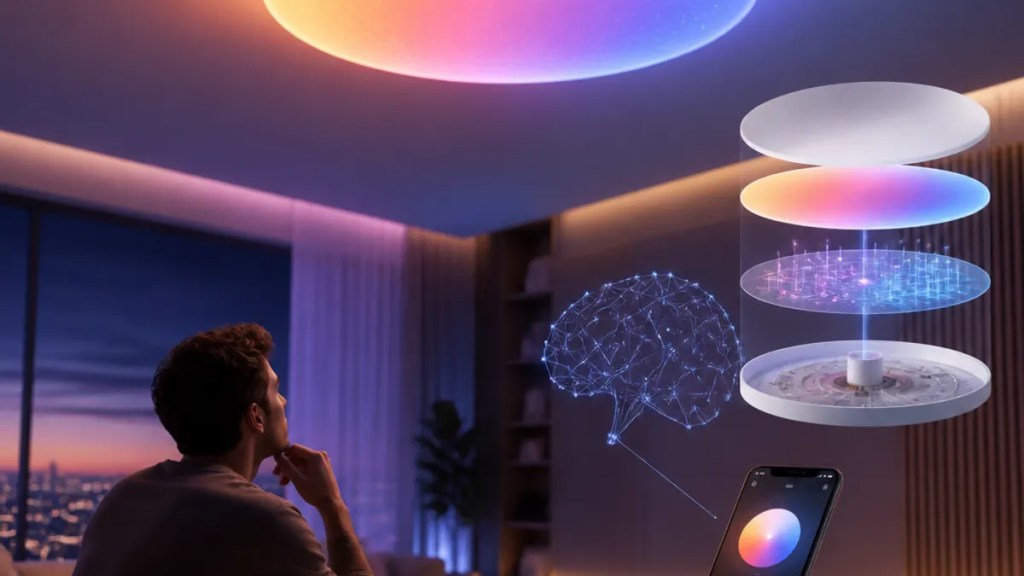
Govee’s latest ceiling light sounds like the kind of thing that could either make your room feel futuristic or make you roll your eyes after a week. That’s why this Govee Ceiling Light Ultra review matters: if you’re buying it for the AI art pitch, the early takeaway is pretty simple—temper your expectations.
According to Gizmodo’s review, the Govee Ceiling Light Ultra is more convincing as a stylish smart light than as an “AI art ceiling light.” For most people, that distinction is the whole buying decision.
Quick Summary
If you want a ceiling fixture with colorful effects, app controls, and the usual smart-light appeal, the Govee Ceiling Light Ultra may still be interesting.
If you want the AI-generated art feature to feel magical, Gizmodo’s verdict suggests it doesn’t really get there.
So the user impact is straightforward: buy it for lighting first, not for the AI pitch.
What the Govee Ceiling Light Ultra is really selling
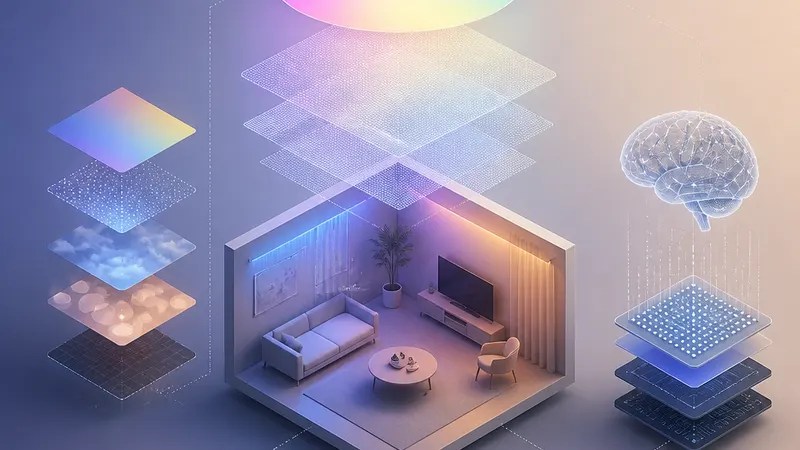
On paper, this is a smart ceiling light with decorative effects and app-driven customization. That puts it in the broader category of Govee smart lighting—products designed less like plain bulbs and more like mood-setting home gear.
For everyday buyers, the appeal is obvious. A ceiling fixture reaches more of the room than a lamp or light strip, and smart light app control means you can tweak colors and scenes without touching a switch every time. If you already like home lighting effects, this kind of product makes sense.
Where things get murkier is the “AI art” angle. Gizmodo’s review makes clear that this is the part that doesn’t land. The light may create effects inspired by prompts, but the experience reportedly falls short of feeling like meaningful art generation.
That matters because “AI” changes how people judge a product. If a company frames a feature as creative and intelligent, you expect something more than a novelty setting buried in an app.
Why the AI art claim may disappoint buyers
This is the core of the review. Gizmodo’s assessment is that the AI side of the Ceiling Light Ultra is the weak link, not the reason to buy.
For a general reader, here’s the plain-English version: the feature appears to promise more imagination than it delivers. Instead of feeling like a new category of ambient lighting, it reportedly comes off more like a gimmick layered onto an otherwise capable smart fixture.
That doesn’t mean the product is useless. It means the headline feature may not match the real-world experience.
If you’re the kind of buyer who sees “AI art ceiling light” and imagines dramatic, personalized visual moods that genuinely transform a room, this review suggests you may be let down. If you just want a ceiling light with customizable color and smart features, you may care a lot less.
The part regular users should pay attention to
A lot of smart-home products get sold on one flashy hook. Then you live with them, and what matters is much more basic: Does it look good? Is it easy to control? Does it actually improve the room?
That’s where this becomes a more useful smart ceiling light review than a debate about AI buzzwords.
The practical takeaway from Gizmodo is that the Ceiling Light Ultra seems easier to justify as a lighting product than as a creative-tech product. In other words, the user impact depends on what you think you’re paying for.
If you want atmosphere, it may still work
For bedrooms, living rooms, or entertainment spaces, a smart ceiling fixture can be appealing simply because it adds color and variety overhead. That’s a different effect from a lamp in the corner or LED strips behind a desk.
So if your goal is room ambience and app-based customization, the Govee Ceiling Light Ultra may still fit.
If you want AI to wow your guests, maybe not
This is where expectations need a reset. Gizmodo’s review strongly suggests the AI art branding oversells the experience. If that’s the main reason you’re interested, you may end up paying attention to the marketing more than the actual result on your ceiling.
What this says about smart lighting right now
There’s a broader lesson here beyond one product. Smart lighting is at its best when it solves a simple problem: making your space feel better with less effort. The minute brands start promising artistic intelligence, the bar gets much higher.
And that’s probably the fairest way to read this Govee Ceiling Light Ultra review. The issue isn’t that smart lighting is bad. It’s that AI labeling can make a decent lighting product sound more advanced than it feels in use.
For shoppers, that means filtering the pitch carefully. Ask yourself whether you want dependable customization or a genuinely new creative experience. Those are not the same thing.
Bottom line
Based on Gizmodo’s coverage, the Govee Ceiling Light Ultra looks like a product with a familiar smart-light upside and a less convincing AI story.
That’s not a dealbreaker for everyone. But it does change who should buy it.
If you’re shopping for Govee smart lighting and like the idea of a ceiling fixture with colorful effects and app control, it may still be worth a look. If you’re buying because the AI art concept sounds like the future of lighting, this review points in the other direction.
FAQs
Is the Govee Ceiling Light Ultra worth buying?
It may be, if you want a smart ceiling light with customizable effects. Based on Gizmodo’s review, it seems less compelling if the AI art feature is your main reason for buying.
What is disappointing about the AI art feature?
Gizmodo’s review suggests the AI-generated art concept does not feel as impressive in practice as the marketing implies. The feature reportedly comes across more like a gimmick than a must-have tool.
Who is this light best for?
It may suit people who want overhead smart lighting, color effects, and app-based control in a room. It appears less suited to buyers hoping for a truly creative or transformative AI lighting experience.
Internal link suggestions
- A guide to the best smart lights for apartments and bedrooms
- A review roundup of Govee smart home products and lighting accessories
- An explainer on how smart lighting apps and automations work

