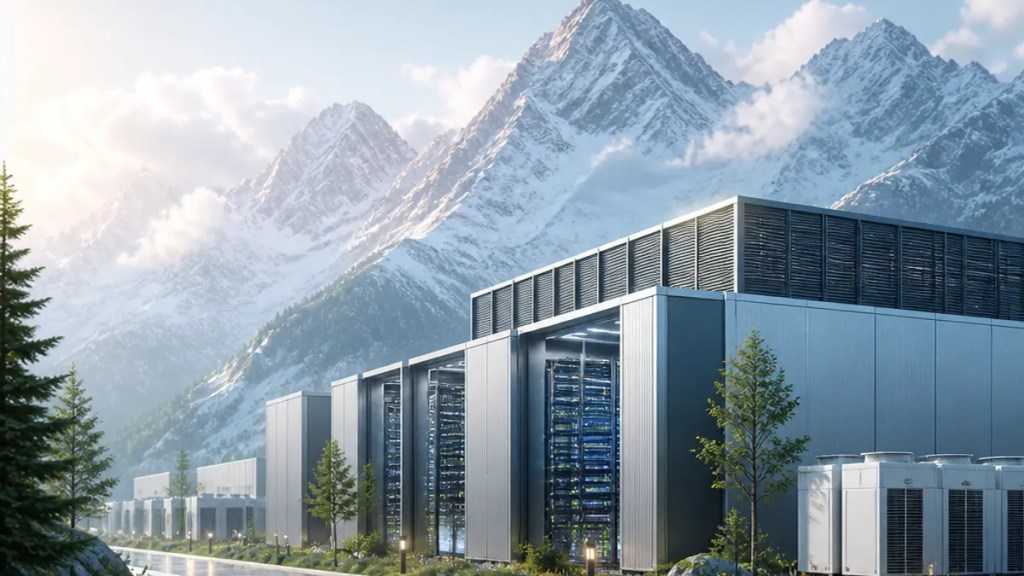
Google’s First Alpine Data Center Lands in Austria
Google is building its first data center in Austria, and that matters more than it may sound at first glance. A new Google Austria data center is not just a big warehouse full of servers; it’s the kind of infrastructure that can shape how quickly online services respond, where data is handled, and how a country fits into Europe’s wider digital map.
If you use Google services, run a business in the cloud, or simply care about where big tech is putting money in Europe, this is worth a few minutes of your attention.
Quick Summary
Google says it is investing in its first data center in Austria, located in the Alps, according to Google’s official blog.
In plain English, that means:
- Google is expanding its physical internet infrastructure in Austria
- The move adds to Google’s broader footprint in Europe
- It could support faster, more local cloud and online services over time
- It also raises familiar questions around energy use, land, and long-term local impact
Some details people usually want—like timeline, capacity, or job numbers—were not confirmed in the provided sources, so those parts remain unclear for now.

Why everyday users should care
A data center is a facility packed with computing equipment that stores, processes, and moves data. When a company like Google builds one nearby, the practical benefit is often about distance: the shorter the path data travels, the better services may perform.
That does not automatically mean your Gmail or YouTube will suddenly feel different overnight. But a Google data center Austria project can strengthen the local backbone behind cloud services and internet products used by businesses, public institutions, and consumers.
For regular users, the impact is usually indirect. Think reliability, capacity, and the ability for services to keep up as more of life moves online.
Why Austria, and why now?
Google’s own announcement frames this as its first data center in the Alps, which gives Austria a new role in the company’s European infrastructure network. Even without a long list of public technical details yet, the signal is clear: Austria is being treated as a strategic place for digital infrastructure.
That matters because Europe is in the middle of a broader push to build more local computing capacity. Cloud infrastructure—basically the remote computing systems that power apps, AI tools, storage, and business software—has become a major economic and policy issue across the region.
So this is not only a Google story. It is also an Austria tech investment story, and a small piece of the larger debate about Europe’s digital independence and capacity.
What this may mean for cloud services
The clearest likely effect is on cloud infrastructure Europe depends on. Google Cloud customers in and around Austria may eventually benefit from stronger regional support, though the source material does not confirm specific service changes.
For businesses, local infrastructure can matter for a few reasons:
- lower latency, meaning less delay when data moves between users and servers
- more regional capacity as demand grows
- more options for keeping workloads closer to where users are
That said, it is important not to overstate what is known. Google has announced the investment, but the provided source does not spell out exactly which products, customers, or workloads the Austrian site will handle first.
Jobs, investment, and the local economy
Whenever a hyperscale company—meaning a very large cloud operator—builds a data center, one of the first questions is jobs. The provided source confirms the investment, but it does not provide a public number for construction roles, permanent staff, or supplier impact.
Even so, a Google investment Austria story naturally draws attention because these projects usually involve more than the building itself. They can pull in contractors, utility planning, and local business partnerships over time. Whether that turns into a broad local boost depends on details that have not yet been shared.
For Austria, the symbolism also matters. Landing a major Google facility can strengthen the country’s profile as a destination for digital infrastructure.
The energy question is impossible to ignore
There is no serious conversation about a new data center without talking about power. Data centers need a lot of electricity, along with cooling systems to keep equipment running safely.
The source provided here announces the Austrian investment, but it does not confirm the site’s energy mix, sustainability targets, or cooling design. So if you are wondering how green this project will be, the honest answer is: that part is still not clear from the available material.
Still, this is where public scrutiny usually lands. People will want to know how the project affects local energy demand, how efficiently the facility operates, and whether the benefits match the resource use.
What users should watch next
Right now, the biggest takeaway is that Google is deepening its European footprint with a Google Austria data center project that puts Austria on a new part of its infrastructure map.
The next useful details to watch for are straightforward:
- when construction is expected to move ahead
- what cloud or Google services the site may support
- whether Google shares job and economic impact estimates
- how the company explains energy use and sustainability plans
Until those details arrive, this announcement is best read as an infrastructure signal with real potential, rather than a fully mapped-out consumer change.
FAQs
What is Google building in Austria?
Google says it is investing in its first data center in Austria, in the Alps, according to its official blog. A data center is a physical site that houses computing systems used to run digital services and cloud operations.
Will this change Google services for users in Austria right away?
Nothing in the provided source confirms an immediate change for consumers. Over time, local infrastructure may help support capacity, reliability, or performance, but specific user-facing improvements have not been announced.
Why is this important for Europe?
It adds to Europe’s digital infrastructure base. In broader terms, more local data center capacity can support cloud services, business computing, and regional tech development.
Sources
Internal link suggestions
- A guide to how data centers work and why they matter
- Explainer on cloud computing for everyday users
- Coverage of Europe’s push for AI and digital infrastructure
 techpost