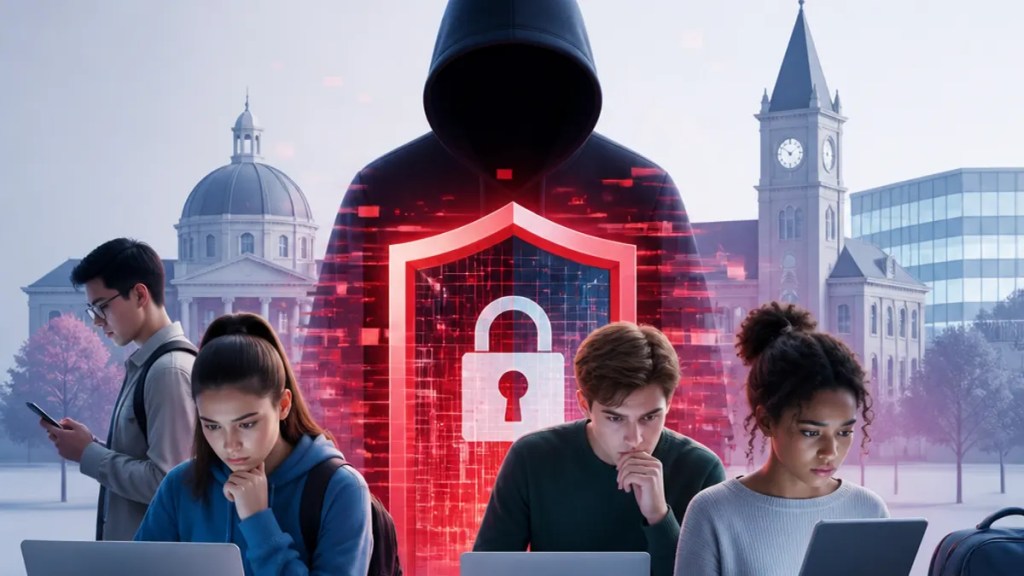
Cyber Attack Hits Universities and Schools: What to Know
An international cyber attack affecting universities and schools matters beyond campus IT teams. If you are a student, parent, teacher, researcher, or staff member, a disruption like this can affect logins, coursework, email access, and possibly personal information tied to education systems.
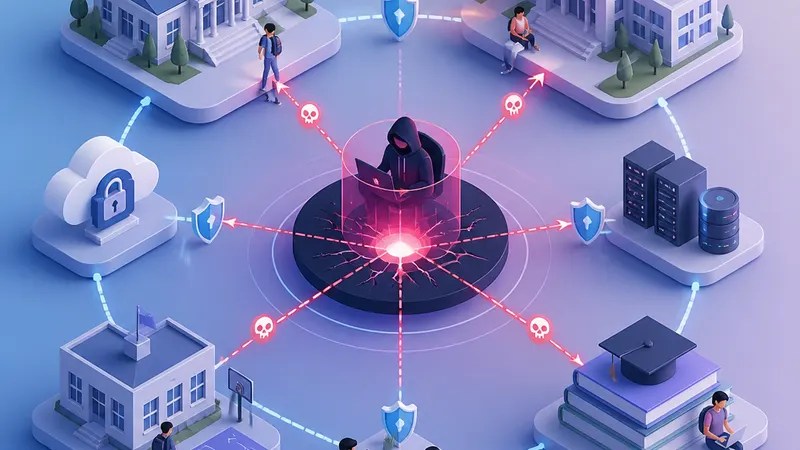
According to the BBC, an international cyber attack disrupted a broad group of universities and schools. While not every detail has been confirmed publicly, the incident appears to have affected education institutions across multiple locations, making it more than a single local outage.
Quick Summary
- A cyber attack on universities and schools has disrupted education institutions internationally.
- The impact may include service outages and access problems for students, teachers, and staff.
- If you use a school or university account, you should watch for official updates and take basic account-safety steps.
- It is not yet clear in all cases whether an education data breach, meaning unauthorized access to personal or institutional data, has happened at every affected organization.
What happened?
The BBC reported that an international cyber attack disrupted a swathe of universities and schools. In plain terms, this means multiple education organizations were hit in a connected or similar incident, rather than one school dealing with an isolated technical problem.
At this stage, the public reporting points to disruption, but some details may still be emerging. In incidents like this, schools and universities often first focus on restoring systems and limiting damage before confirming exactly what data or services were affected.
Because the available source material is limited, it would be premature to say more than that the attack reportedly caused widespread disruption across education institutions.
External source: BBC report
Why this cyber attack on universities and schools matters
Education systems hold a lot of useful and sensitive information.
That can include names, email addresses, student records, payroll details, and internal documents. Universities may also manage research data and large shared networks used by thousands of people. Schools and colleges often rely on cloud platforms, email systems, and remote learning tools to keep day-to-day work running.
That makes a university cyber attack or school cyber attack especially disruptive. Even if the main issue is downtime rather than theft, people may temporarily lose access to classes, assignments, internal portals, or communication tools.
For everyday users, the biggest concern is usually practical: Can I still log in, submit work, get messages, or trust emails that appear to come from my institution?
Who may be affected?
The most likely groups affected include:
- Students
- Parents and guardians
- Teachers and lecturers
- Administrative staff
- Researchers
- IT and support teams
If your university or school uses shared online systems, even a limited attack can create wider knock-on effects. For example, a service outage in one platform may interrupt login systems, email, or file access elsewhere.
It is also worth remembering that not every user at an affected institution will face the same level of risk. Some may only see temporary disruption. Others may need to reset passwords or monitor accounts if an education data breach is later confirmed.
What users should do now
If you think your school or university may be affected, keep your response simple and practical.
1. Check official updates
Look for messages from your institution’s official website, verified email addresses, or recognized social media accounts. Avoid relying on rumors in group chats.
2. Be careful with emails and texts
After a cyber incident, attackers sometimes send fake password-reset messages or urgent alerts. This is often called phishing, meaning a scam designed to trick you into giving away login details.
If a message seems unusual, do not click links right away. Go directly to the institution’s official website instead.
3. Change your password if advised
If your school or university tells users to reset passwords, do it promptly. If you reused that password on other services, change it there too.
4. Turn on extra login protection
If available, enable multi-factor authentication, an extra security step such as a code sent to your phone or an authenticator app.
5. Watch for signs of misuse
If an education data breach is later confirmed, monitor your school account, email, and any connected services for unusual activity.
These are the basic steps people usually ask about when wondering what to do after a cyber attack.
What is still unclear
Public reporting so far confirms disruption, but not every technical detail.
It may take time for affected institutions to determine:
- how the attackers got in
- which systems were impacted
- whether data was accessed or copied
- how long recovery will take
That uncertainty is normal in the early stage of an international cyber attack. Institutions often investigate with internal teams and outside specialists before releasing fuller statements.
What to expect next
Users should expect more updates from individual schools and universities than from one central source. That is because each institution may have different systems, different levels of impact, and different recovery timelines.
Some organizations may restore services quickly. Others may keep certain systems offline as a precaution while they investigate.
For now, the safest approach is to follow official guidance, avoid suspicious messages, and be ready to update your password or login settings if requested.
FAQs
Was this a data breach or just a service outage?
The reporting confirms disruption, but it does not confirm that every affected institution suffered a data breach. In some cases, that may only become clear after investigation.
Should students and parents change passwords now?
If your school or university has advised a password reset, do it. If not, keep watching official communications and be cautious of unofficial password-reset links.
Can classes or exams be affected by a school cyber attack?
Yes, they may be. A school cyber attack can interrupt email, learning platforms, timetables, file access, and other systems used for teaching and administration.
Sources
Internal link suggestions
- A guide to spotting phishing emails and fake password-reset messages
- What multi-factor authentication is and why students should use it
- What to do after a cyber attack: a simple checklist for everyday users

