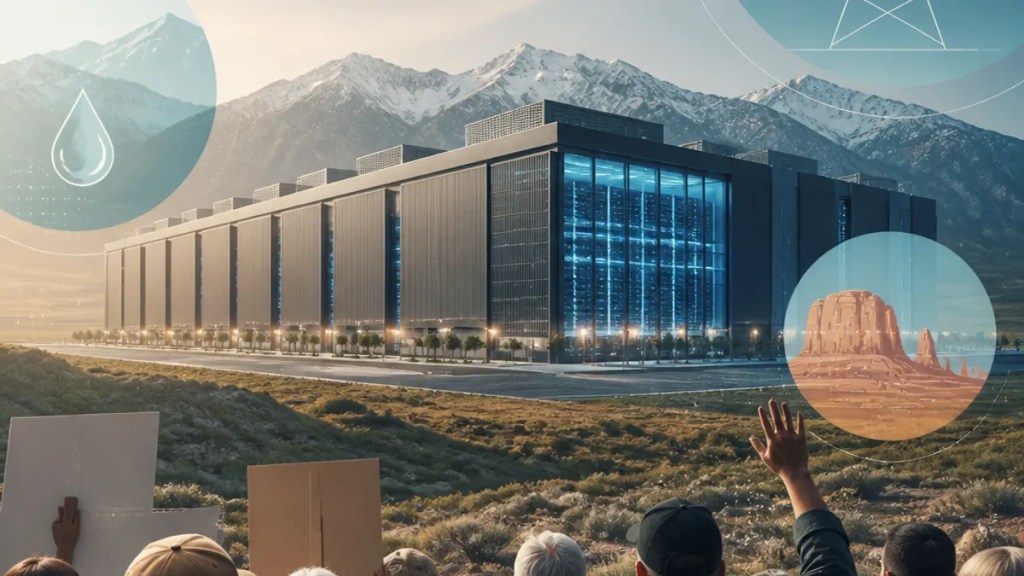
Utah’s Giant Datacenter Plan Sparks Backlash
Utah has approved a huge datacenter development, and the scale alone is what’s pulling people up short: according to The Guardian, critics say the project would be roughly twice the size of Manhattan. That makes this Utah datacenter story bigger than a local zoning fight. If you use cloud apps, AI tools, streaming services, or basically anything online, this is also a story about the physical infrastructure behind your digital life.
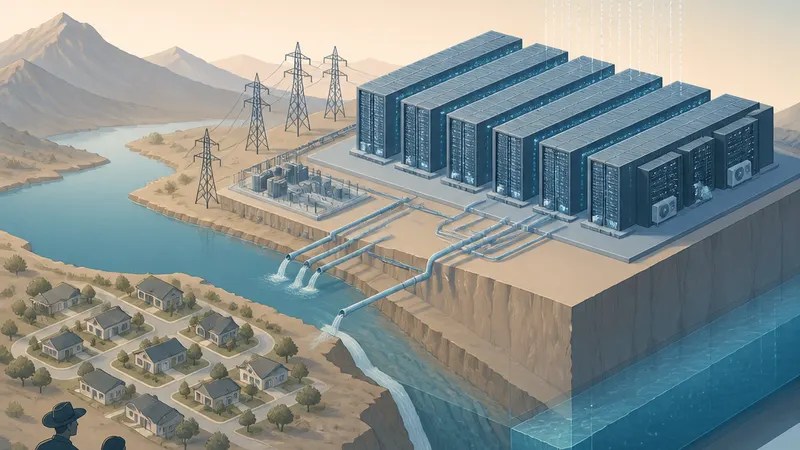
Why it matters in plain English: datacenters are the warehouse-like buildings full of servers that store data and run online services. They need land, power, cooling, and often large amounts of water. So when a project gets this big, the debate quickly moves beyond “more tech investment” into questions about who benefits, who pays, and what local communities give up.
Quick Summary
- Utah approved a massive datacenter project, described by critics in The Guardian’s reporting as about twice the size of Manhattan.
- The approval has triggered datacenter backlash centered on power demand, water use, jobs, and local impact.
- For everyday users, this is a reminder that AI and cloud services depend on very real infrastructure with environmental and political consequences.
- The bigger takeaway: expect more fights like this as states compete to build out Utah tech infrastructure and other large-scale computing hubs.
Why this Utah datacenter is drawing so much attention
A lot of data center approval stories stay pretty local. This one hasn’t, because the proposed footprint is so large and because the criticism is unusually direct. As The Guardian reports, opponents have called the decision “irresponsible.”
That word matters. It suggests critics are not just worried about aesthetics or traffic. They appear to be arguing that approving a Manhattan-sized datacenter project commits the region to long-term resource use without enough public benefit in return.
And that’s the core of the backlash: not whether datacenters exist, but whether this one is too large, too resource-intensive, or too lightly scrutinized.
The real issues behind the datacenter backlash
When people hear “datacenter,” they often think of a quiet, sealed-off building. In reality, a project of this size can reshape local infrastructure.
Power use
One major concern is AI datacenter power use. AI systems, especially the ones training and running large models, can require substantial electricity. Even when a facility is not branded as “for AI,” the broader datacenter boom is closely tied to demand for cloud computing and AI workloads.
That means local grids may face new pressure. For residents, that can raise practical questions: Will utilities need upgrades? Who pays for them? Could large industrial users get priority over future residential or small-business needs? The Guardian’s report points to power demand as one of the central criticisms.
Water use
Cooling all those servers is another flashpoint. Water use datacenter debates have become more common in dry regions, and Utah is not a place where water concerns feel abstract. Critics cited by The Guardian are raising exactly that issue.
Not every datacenter uses water in the same way or in the same amount, and the source material here does not confirm detailed operating figures. But the broader concern is easy to understand: if a very large facility needs significant cooling resources, local communities may ask whether that is the best use of limited water supplies.
Jobs and local payoff
There’s also a familiar economic argument. Datacenters can bring construction work and tax revenue, but critics often question how many permanent jobs they create once the buildings are up and running. In other words, a community may be asked to host a giant industrial site while getting fewer long-term employment benefits than people expect.
That tension appears to be part of this Utah datacenter dispute too, based on The Guardian’s summary of local concerns.
What this means for you, even if you don’t live in Utah
You don’t need to be in Utah for this to matter.
This is part of a bigger pattern: the internet feels weightless when you open an app, but the systems behind it are getting larger, hungrier, and more visible. Every new AI feature, cloud backup, video stream, and enterprise service runs somewhere. Increasingly, that “somewhere” is becoming a political issue.
So if you’re wondering what users should know, here’s the honest version: your digital tools depend on infrastructure that may strain power grids, compete for water, and trigger local fights over land use. The convenience is real. The costs are real too.
That does not mean every datacenter project is a bad idea. It does mean the public is asking harder questions now, especially when the scale reaches “twice Manhattan.”
The bigger picture for Utah tech infrastructure
Utah has been part of the broader push to attract tech investment, and large datacenter projects fit into that strategy. But this case shows the limits of the usual growth narrative. Bigger is not automatically better in the public eye.
A project can promise future capacity for cloud and AI services while still facing resistance over environmental impact and uneven local benefits. That’s why this data center approval is worth watching: it may become a template for how future projects are debated, approved, or challenged.
For readers, the lesson is simple. The next phase of tech growth is not just about software launches and AI demos. It’s also about substations, water systems, land decisions, and whether communities believe the trade-offs are fair.
FAQs
Why are people upset about the Utah datacenter?
According to The Guardian, critics are concerned about the project’s enormous size, along with likely impacts tied to electricity, water, jobs, and the surrounding community.
Is this mainly an AI story?
Partly. The source does not confirm every technical use case for the facility, but the wider datacenter boom is closely linked to AI and cloud demand. That’s why AI datacenter power use is part of the conversation.
Should regular internet users care?
Yes. Datacenters are the physical backbone of online services. When projects get this large, they can affect utility planning, environmental policy, and the future cost and availability of digital infrastructure.
External sources
Internal link suggestions
- An explainer on how datacenters use electricity and water
- A story on the AI boom’s impact on power grids and utility planning
- A local policy piece on how states compete to attract tech infrastructure
 techpost