WhatsApp’s AI Chatbot Gets an Incognito Mode
WhatsApp is adding a more private way to talk to its AI chatbot, and that matters if you’ve ever hesitated before asking an app something personal, awkward, or just very specific. The new WhatsApp AI private chat feature is essentially an incognito-style option for conversations with Meta’s AI inside WhatsApp.
According to the BBC, WhatsApp has launched an AI private chat feature designed to give users a more secluded space for those interactions. In plain terms: it’s meant to make chats with the bot feel less exposed than standard AI conversations.
Quick Summary
- WhatsApp has launched a private chat feature for its AI chatbot.
- The update is aimed at making private AI chats on WhatsApp feel more confidential.
- It appears to work like an incognito-style mode for AI conversations.
- The feature matters because many users want help from AI without feeling like every prompt is part of a normal, visible chat history.
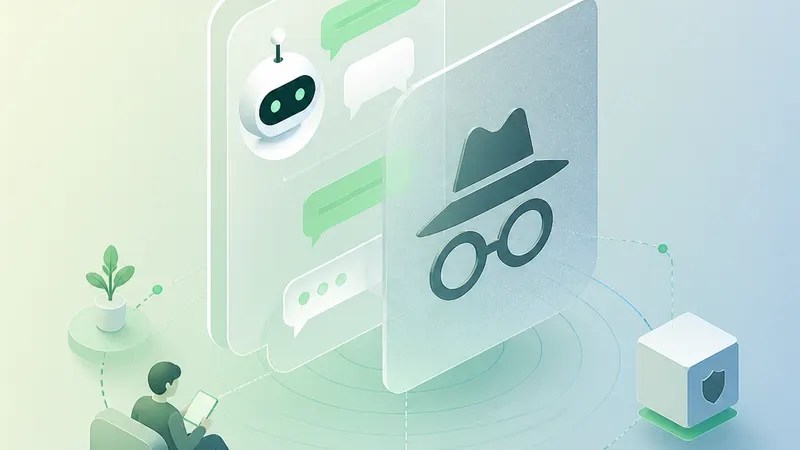
What WhatsApp’s new private AI chat mode means
The simplest way to think about this is: WhatsApp is trying to separate everyday messaging from more sensitive AI use.
That distinction matters. People use chatbots for everything from drafting messages to asking health or relationship questions they might not want sitting in a regular thread. A WhatsApp incognito mode for AI, or at least an incognito-like private setting, suggests Meta understands that privacy concerns are one of the biggest reasons people hold back.
The BBC reports that WhatsApp has now launched this AI private chat feature, framing it as a privacy-focused addition rather than a broad redesign of the app. So this is not WhatsApp turning all chats invisible. It’s specifically about conversations with the AI assistant.
Why this matters for regular users
If you use WhatsApp mainly to message family, friends, or work contacts, you may not care much about AI features until they start brushing up against privacy.
That’s where this update becomes more relevant.
A lot of AI use is casual. Some of it isn’t. You might ask a chatbot to summarize something personal, help write a difficult message, or explain a topic you’d rather not search in public. WhatsApp chatbot privacy has been a concern because messaging apps feel intimate by design. They’re where your real conversations happen.
A private mode for AI chats does not automatically mean total invisibility or zero data handling. It does mean WhatsApp is signaling that some AI interactions deserve a different privacy treatment from normal chatbot use.
What stays private — and what you should still be careful about
Based on the available reporting, the key confirmed point is that WhatsApp has launched a private chat feature for its AI. The source material provided does not spell out every technical detail of what is hidden, how long data is retained, or whether all parts of the interaction are excluded from broader account activity.
So if you’re wondering whether this means complete secrecy, the honest answer is: that is not fully confirmed in the provided source.
That’s an important distinction. “Private” in app language can mean several things:
- a chat is harder for others to casually view on your device
- a conversation is treated differently from standard history
- the company limits how the content is used
- some metadata — basic information about usage, not the message text itself — may still exist
Without fuller documentation in the supplied sources, it’s safest to say this new mode is designed to make WhatsApp AI conversations more private, but users should still read WhatsApp’s own explanations before assuming nothing is stored or visible anywhere.
How this fits into Meta AI on WhatsApp
This feature also says something bigger about where Meta AI WhatsApp is heading.
Meta has been pushing AI assistants into apps people already use, rather than asking them to download a separate tool. That strategy makes AI more convenient, but it also creates a tension: the more deeply AI is embedded in your main messaging app, the more privacy questions follow.
A separate private mode is one way to ease that tension. It gives users a clearer boundary. You’re not just chatting with a bot in the same way you’d message a friend; you’re entering a more protected space for that exchange.
For tech enthusiasts, this is also a sign that AI privacy controls may become a competitive feature, not just a legal checkbox.
Should you use it?
If you already use AI inside messaging apps, this feature will probably sound useful right away.
If you don’t, it may still be worth knowing about because AI tools are becoming harder to avoid inside major apps. Features like this can at least give you more control over how those interactions happen.
The practical takeaway is simple: a WhatsApp AI private chat mode may make it more comfortable to use the chatbot for sensitive or personal prompts, but you should still treat any AI system with some caution until its privacy boundaries are clearly documented.
That’s not alarmism. It’s just the sensible middle ground.
FAQs
Is WhatsApp’s AI private chat the same as regular WhatsApp chat privacy?
No. Based on the BBC’s reporting, this feature is specifically for WhatsApp’s AI chatbot, not a blanket change to all WhatsApp conversations.
Does WhatsApp incognito mode mean nobody can see my AI chats?
Not necessarily. The provided source confirms a private AI chat feature has launched, but it does not fully detail what remains visible, stored, or accessible.
Is this available for Meta AI on WhatsApp now?
The BBC reports that WhatsApp has launched the feature. Availability may vary, and users may need to check their app version or local rollout status.
External sources
Internal link suggestions
- A guide to the latest WhatsApp features and privacy settings
- What Meta AI is and where it appears across Meta’s apps
- How to think about AI chatbot privacy before sharing personal information

