Meta description: TikTok is reducing AI video descriptions after obvious errors. Here’s what it means for users, creators, and trust.
TikTok is pulling back on some TikTok AI video descriptions after users spotted descriptions that were plainly wrong. For everyday viewers, that matters because these summaries can shape how a video is understood before you even watch it. For creators, it raises a bigger question: how much should people trust AI-generated labels on social platforms?
The move follows reporting from the BBC, which said TikTok had scaled back its AI-generated video overviews after “absurd errors” appeared on the app. While AI tools are often pitched as helpful shortcuts, this episode is another reminder that automated summaries can still misread what people post.
Quick Summary
- TikTok has reportedly reduced some AI-generated video descriptions on its platform.
- The change came after obvious mistakes appeared in those automated summaries.
- These tools were designed to describe or summarize videos, but errors may have affected how content was interpreted.
- The issue also touches on accessibility, trust, and the broader problem of social media AI mistakes.
What happened with TikTok AI video descriptions?
According to the BBC, TikTok has scaled back AI-generated video overviews after users noticed inaccurate and strange descriptions.
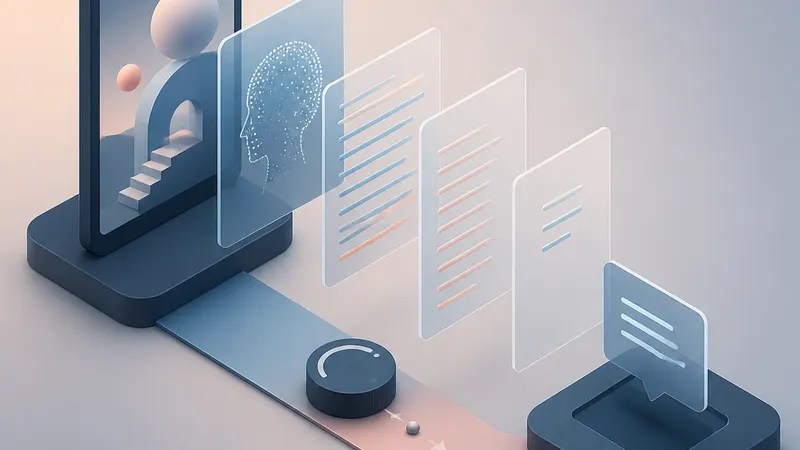
In simple terms, these are machine-written summaries attached to videos. They are meant to explain what a clip shows, likely helping with discovery, understanding, or accessibility. But when the system gets it wrong, the summary can mislead viewers instead of helping them.
The BBC report describes the errors as absurd, suggesting the problem was not just minor wording issues but obvious mismatches between the video and the text generated by AI.
Why this matters to regular users
For most people, the concern is straightforward: if an app gives you a written explanation of a video, you may assume it is reliable.
That matters because AI-generated video descriptions can influence first impressions. A wrong summary may change how someone interprets a clip, whether they decide to watch it, or what they think a creator meant.
It also matters for people who rely on text-based cues. Some automated descriptions are connected to TikTok accessibility features, which are tools meant to make content easier to use for people with different needs. If those descriptions are inaccurate, the feature may become less useful.
Why creators may care
Creators may be especially sensitive to this kind of error.
If TikTok’s AI attaches a misleading description to a video, it could affect how viewers understand the post. Even if the creator did nothing wrong, the platform’s automated text may frame the content incorrectly.
That creates a trust problem. Social apps increasingly use AI to sort, summarize, and label content. But when those systems make visible mistakes, creators may worry that the platform is speaking for them in ways they cannot fully control.
TikTok AI overviews and the trust problem
The BBC’s reporting points to a wider issue with TikTok AI overviews and similar features across the tech industry: AI can sound confident even when it is wrong.
That is one reason these tools often cause frustration. The output may look polished, but the underlying interpretation can still fail. In a video app, where tone, context, and visuals matter, that risk may be even higher.
This is not just a TikTok problem. It fits into a broader pattern of social media AI mistakes, where automated systems are used at scale but still struggle with nuance. A summary tool may work well most of the time, yet a handful of very visible errors can damage confidence in the whole feature.
Is TikTok removing the feature entirely?
Based on the BBC report, TikTok is scaling back the AI-generated overviews, not necessarily eliminating them altogether.
That distinction matters. “Scaling back” usually suggests the company is reducing how widely the feature appears, limiting its use, or adjusting how it works. Without more detail, it is safest to say the feature may still exist in some form, but TikTok has reportedly pulled back after the errors drew attention.
What users should do now
If you use TikTok regularly, the practical takeaway is simple: treat automated summaries as helpful hints, not final truth.
If a description seems odd, it may be worth watching the video directly rather than relying on the AI text. And if you are a creator, it may be useful to keep an eye on how your posts are presented on-platform, especially when AI-generated labels or summaries are involved.
For anyone following AI in consumer apps, this is another example of a basic rule: convenience is useful, but accuracy still matters more.
The bigger picture for AI features on social apps
Platforms want AI tools to save time and improve the user experience. In theory, automatic descriptions can help people understand content faster and make apps more accessible.
But the TikTok case shows the trade-off. If the system is fast but unreliable, users may stop trusting it. And once trust slips, even genuinely useful features can become harder to accept.
That may be the real lesson from these TikTok AI errors. AI tools do not just need to work often. On visible consumer platforms, they need to fail less publicly too.
FAQs
Why did TikTok scale back AI video descriptions?
According to the BBC, TikTok reduced its AI-generated video overviews after obvious errors appeared in the descriptions.
Are TikTok AI video descriptions the same as captions?
Not necessarily. Captions usually transcribe spoken words. AI video descriptions or overviews are summaries generated by software to explain what a video appears to show.
Should users trust AI-generated descriptions on social media?
They may be useful as a starting point, but this case suggests users should be cautious. Automated summaries can make mistakes and may not always reflect the actual content accurately.
Sources
Internal link suggestions
- Related: our coverage of AI features in social media apps
- Explainer: how accessibility tools like captions and descriptions work
- Analysis: why AI summaries keep making mistakes on consumer platforms

