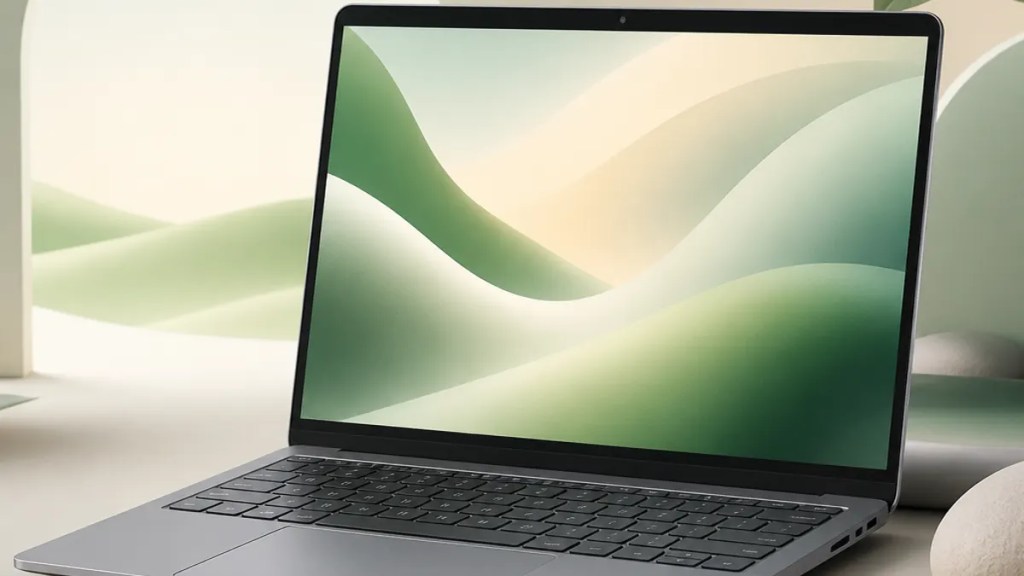
Meta description: Learn what Googlebook is, how Google’s Android-based laptop platform works, and what it could mean for everyday users.
If you’ve heard the name Googlebook and immediately thought, “Wait, is Google making an Android laptop now?” — that’s the right question. According to WIRED, Googlebook is a new AI-focused laptop platform built on Android, which makes it worth paying attention to even if you’re not the sort of person who follows operating systems for fun.
Why this matters in plain English: the software running your laptop shapes everything from app support to battery life to how useful AI features actually feel. If Google is pushing Android onto laptops in a bigger way, that could affect the kind of devices you buy and how familiar they feel to use.
Quick Summary
Googlebook appears to be Google’s new Android-based laptop platform, as reported by WIRED.
The big idea is simple: instead of treating Android as mostly a phone and tablet system, Google may be positioning it more seriously for laptops too.
For everyday users, that could mean:
- a laptop experience tied more closely to Android
- stronger built-in AI features
- a different direction from the ChromeOS story many people already know
A lot is still unclear, so the safest takeaway is this: Googlebook may be Google’s attempt to make a Google AI laptop platform around Android on laptops.
So what is Googlebook?
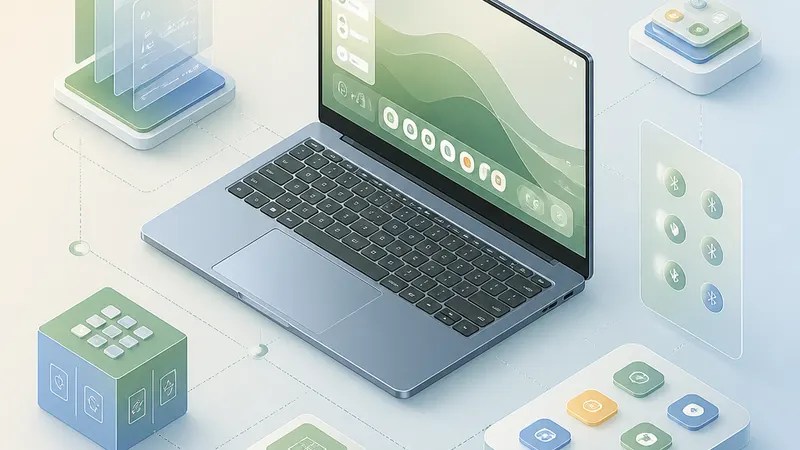
Based on WIRED’s reporting, Googlebook is a new laptop platform from Google built on Android. That’s the central fact people need to understand first.
The name matters because it suggests something more specific than just “Android apps on a big screen.” A platform implies a broader push: software, user experience, and likely a clearer identity for laptop-style devices.
That doesn’t automatically mean you’ll see a flood of Googlebook-branded hardware tomorrow. It does mean Google reportedly wants Android to do more laptop work than many people currently associate it with.
Why would Google use Android on laptops?
This is the part that makes Googlebook interesting beyond the headline.
For years, many people have mentally sorted Google’s software into buckets: Android for phones, ChromeOS for Chromebooks. A Google Android laptop platform blurs that line. If Android can scale up into a more complete laptop environment, Google gets a more unified software base across devices.
For you, that could matter in practical ways. A shared Android foundation may make it easier for apps, services, and AI tools to feel more consistent from phone to laptop. It may also let Google build features once and spread them across more device types.
The AI angle is important too. WIRED describes Googlebook as AI-powered, which suggests Google sees modern laptops not just as web machines, but as places where built-in AI assistance is part of the core experience.
What “AI-powered” likely means for users
Right now, “AI-powered” can mean almost anything, so it helps to keep expectations grounded.
In this context, it likely points to software features that help with everyday tasks: writing, summarizing, searching, organizing, or interacting with your device in more natural ways. WIRED’s framing suggests AI is part of the platform’s identity, not just an extra app sitting off to the side.
That said, a lot of specifics are still unconfirmed from the source set here. So it’s better to think of Googlebook laptop platform as an Android laptop effort where AI is expected to be central, rather than assuming a full feature list that Google has not publicly detailed in these sources.
How is this different from a Chromebook?
This is probably the biggest beginner question.
A Chromebook usually makes people think of ChromeOS first: a laptop centered on Google’s browser-based ecosystem. Googlebook, by contrast, is being described by WIRED as built on Android.
That distinction matters because Android and ChromeOS carry different expectations. Android is widely associated with mobile apps and touch-first design. A laptop platform based on Android may aim to adapt that foundation to keyboard, trackpad, and larger-screen use.
In other words, this isn’t just a branding tweak. If the reporting holds, Googlebook may represent a different software strategy for laptops.
What should regular buyers watch for?
If you’re not planning to read operating-system leaks for sport, here’s the useful part.
Watch for three things:
1. App experience
The biggest question around Android on laptops is whether apps feel natural on a notebook-size screen. People don’t want stretched phone apps; they want software that behaves like laptop software.
2. AI that saves time
A Google AI laptop pitch only lands if the features are genuinely helpful. If AI makes searching, writing, multitasking, or file handling smoother, users will notice. If it feels bolted on, they’ll ignore it.
3. Clarity from Google
Google has had overlapping software stories before. For Googlebook to make sense, people will need a clear answer to a basic question: why choose this over a Chromebook or another laptop?
The beginner takeaway
The easiest way to think about Googlebook is this: it appears to be Google’s new attempt to make Android matter more on laptops, with AI as a headline feature.
That could be a big shift if it leads to devices that feel simpler, smarter, and more connected to the Android ecosystem people already use on their phones. But at this stage, some details still appear to be emerging, so it’s smart to treat Googlebook as a developing platform story rather than a fully mapped-out product lineup.
If you’re curious but not obsessed, that’s enough for now: Googlebook may be the clearest sign yet that Google wants the future of its laptops to lean more heavily on Android.
FAQs
Is Googlebook a real laptop or just software?
Based on WIRED’s report, Googlebook is described as a new laptop platform built on Android. That suggests software and platform strategy, not necessarily a single confirmed hardware product.
Is Googlebook replacing Chromebooks?
That is not confirmed in the provided sources. What is clear from WIRED is that Googlebook is reportedly Android-based, which may signal a different laptop direction from traditional ChromeOS devices.
Why should everyday users care about Googlebook?
Because the platform behind a laptop affects app support, ease of use, and how useful built-in AI features feel. If Google makes Android more central to laptops, future Google devices may work differently from what many users expect today.
Sources
Internal link suggestions
- A beginner’s guide to ChromeOS vs Android
- What AI laptops actually do in everyday use
- How to choose a laptop if you already use Android on your phone

